Visual Signs in Lyophilized Peptide Normal: White to off-white fluffy powder, loosely filling the vial Concern: Powder appears wet, compacted, or stuck to the vial wall suggests moisture ingress Concern: Visible yellow or brown discoloration may indicate oxidative degradation Concern: Vial seal is damaged or stopper appears compromised potential contamination Visual Signs in Reconstituted Peptide Normal: Clear, colorless to very pale yellow solution, free of visible particles Concern: Cloudiness or turbidity suggests aggregation or contamination Concern: Visible particulate matter suggests degradation or contamination Concern: Strong or unusual odor suggests microbial contamination If any of these signs are present, do not use the material
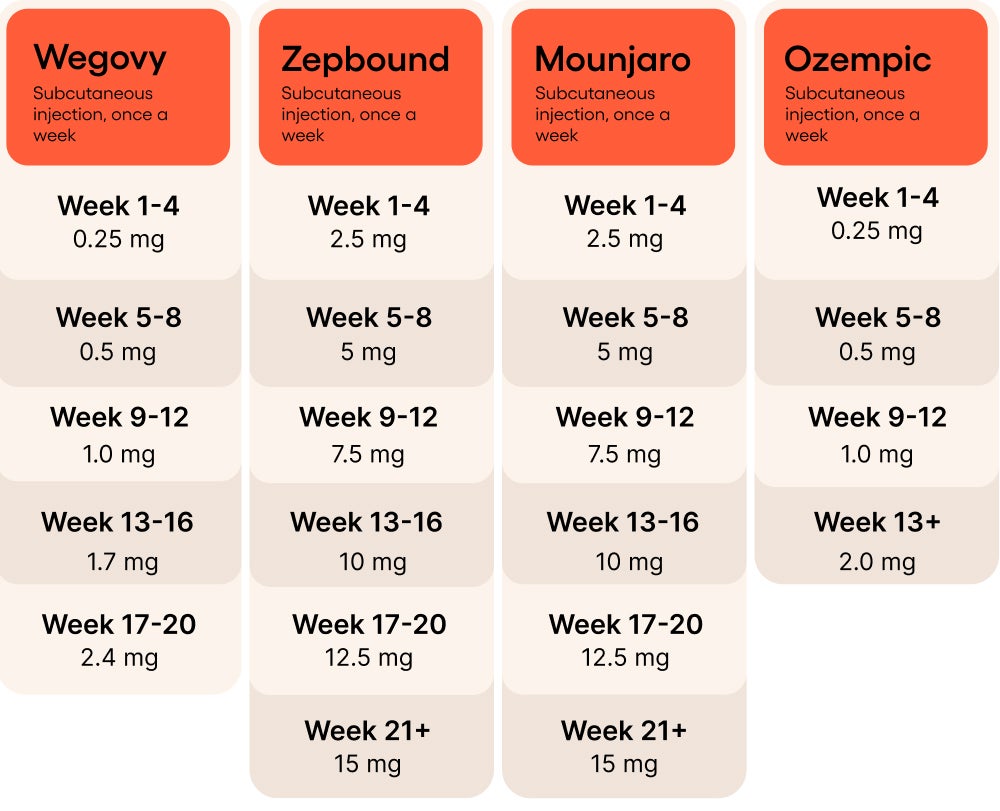
[1] Because the ingredients are compounded rather than supplied as an FDA-approved fixed-dose product
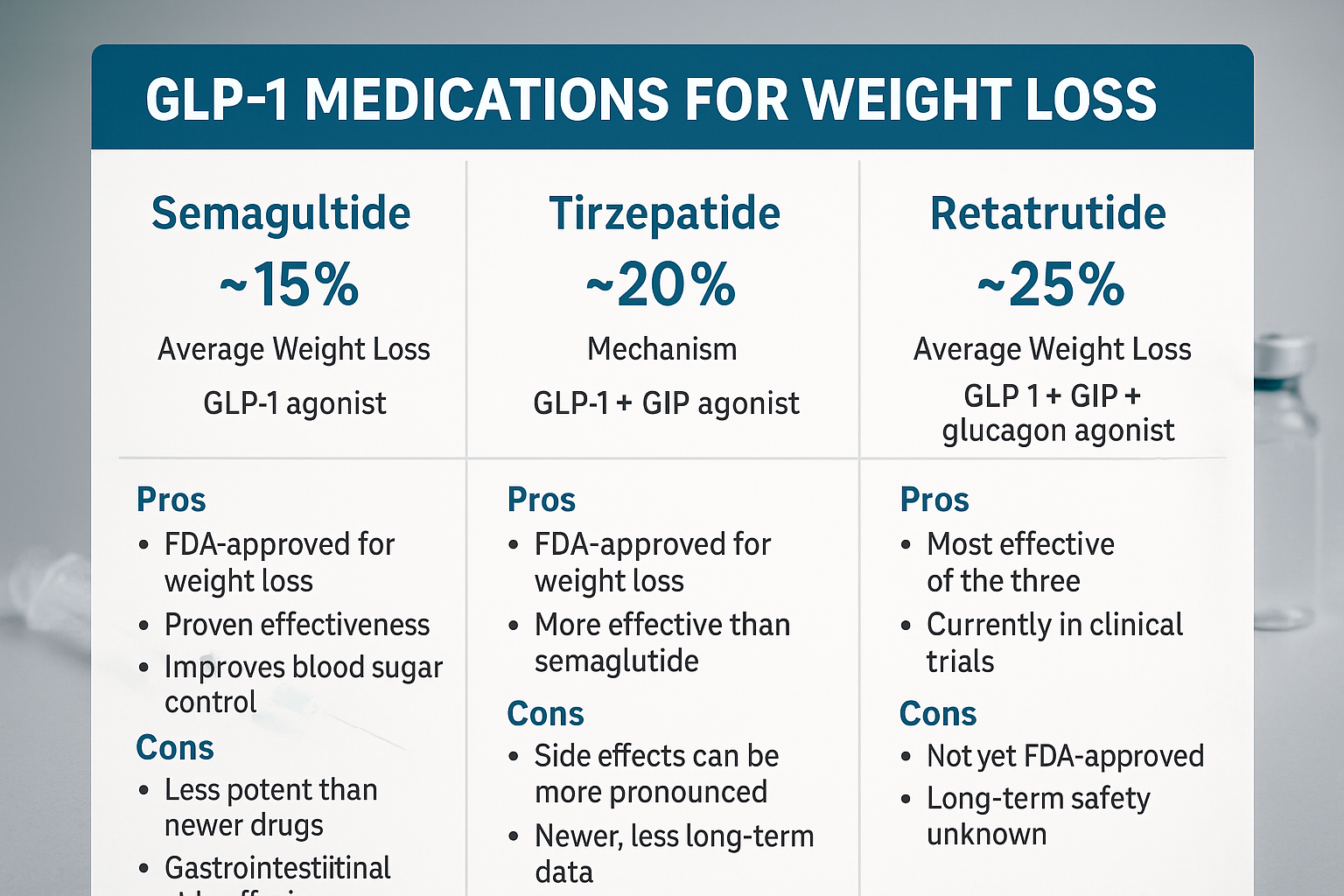
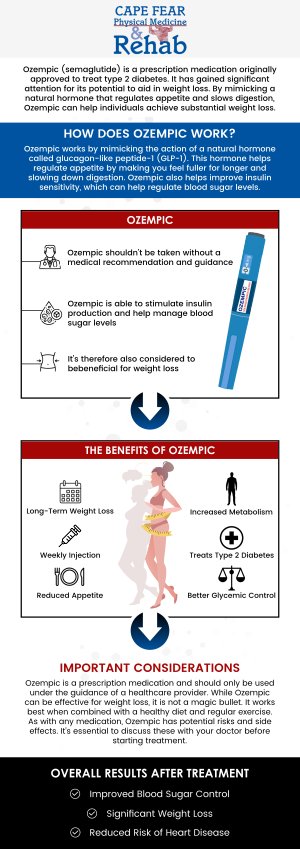
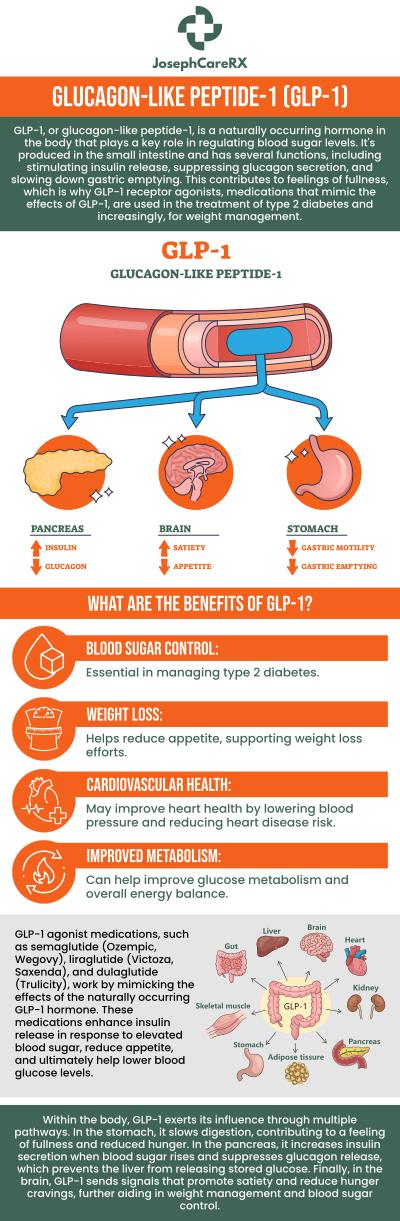
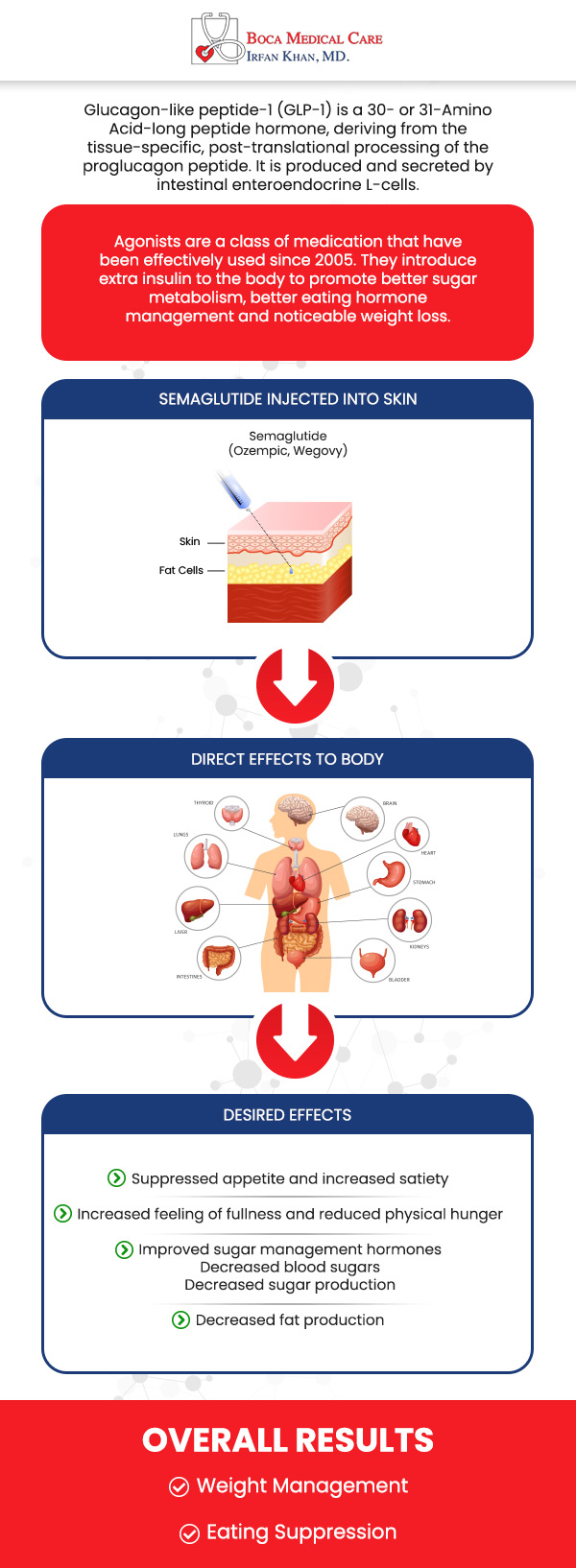
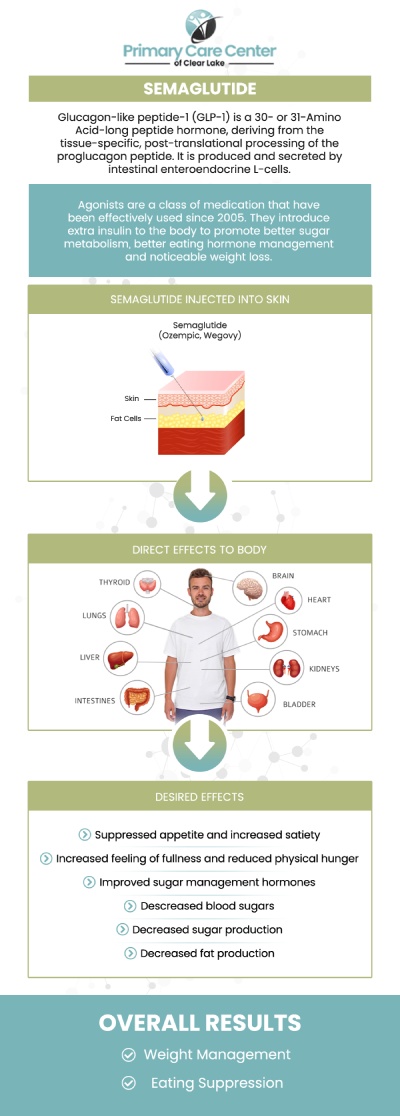
It slows digestion, promotes fullness, improves blood sugar control by increasing insulin release, and blocks glucagon release
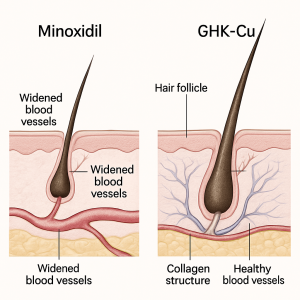
Read article GHK-Cu vs AHK-Cu: Copper Tripeptide Research Comparison Sequence, copper coordination, dermal matrix versus hair-follicle research models, and how to choose between the two most-studied copper-binding tripeptides